About CAC
About Us
For community organizations that want to help families meet the challenges of aging at home, Community Aging Circles (CAC) provides practical tools, training, and support so families can orchestrate all tasks and responsibilities to surround older people and caregivers with trusted help.
Why Work With Us
CAC works with community organizations because they already have what families need most: trust, local knowledge, and strong ties to the people they serve. We do not ask community organizations to become care providers or pay for caregiving services. Instead, we help them use their existing strengths to connect older people, caregivers, families, volunteers, and local resources.
For many years, aging and frailty have often been treated mainly as specialized healthcare issues. But much of the daily work of aging happens at home and in the community. Families have to manage changing needs, coordinate help, find reliable information, and keep loved ones safe. This is where community organizations can make a real difference.
This is an opportunity for community organization leadership. Community organizations are trusted and familiar. They are already part of people’s lives. With the right tools and support, they can help families find one another, share information, allocate and share responsibilities, and build the connections that make caregiving easier.
CAC provides the structure, training, technology, and national network to help make this possible. We help local community organizations to make practical caregiving support available without asking them to run a service agency, hire clinical staff, or take responsibility for direct care. The community organization stays what it already is: a trusted place that brings people together.
Families should not have to face caregiving alone. They need trusted, shared responsibility, reliable information, and practical help. CAC is itself a nonprofit dedicated to helping communities build these supports so caregivers feel less alone and older people stay connected to the people around them.
Our Mission
Taking Control of the Aging Experience
CAC equips local community organizations to make aging easier for older people and the families who care for them. We give community organizations a place to share what works, learn from one another, and build practical ways to meet the growing needs of aging in America.
Our Vision
A New Era of Aging
With the collapse of appropriate, accessible, affordable long-term care options in the U.S., frail older people increasingly remain in the community, and families are overwhelmed by their care needs. An incredible toolbox of interventions as well as the human and financial resources they need to sustain them exist in the community. Leadership will use our technology to access and coordinate all these resources.The leadership for this new era of care will arise from within community organizations and will help families find and coordinate the resources they need to enable frail older people to remain at home safely, with quality of care and life.
Support at the Local Level
CAC equips local community organization leaders to make aging easier for older people and the families who care for them. We give community organizations a place to share what works, learn from one another, and build practical ways to meet the growing needs of aging in America.
Learning Across Communities
At the regional and national level, CAC brings nonprofit community organization leaders together so they can share ideas, learn from one another, and improve how communities support aging.
Our Team
Our team loves what they do, and are on the forefront of reimagining aging in the U.S.
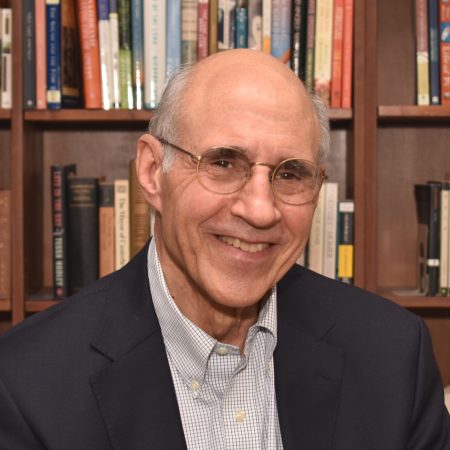
David Dunkelman, JD, MS, President & CEO
David Dunkelman, JD, MS, completed a Master’s Degree from the Center for Studies in Aging at the University of North Texas. He founded and served for over thirty years as the CEO of the non-profit Weinberg Campus, a large, innovative, award-winning, multifaceted array of programs and settings for frail aging. The Campus was the first healthcare organization to receive the National Peter F. Drucker Award for Innovation in Nonprofit Management.
Among his many individual awards is the Dr. Evan Calkins Meritorious Service Award, for “lifetime contributions to the field of aging,” presented by the Western New York Network in Aging, Inc.
He has consulted nationally with over 25 communities, helping them to develop strategic approaches to facility and programmatic design for older people.
After retiring, he began asking why existing aging programs were not enough to meet the larger challenges families face. That work led to His book Aging Forward A New Path for Health, Technology, and Community, published by Health Professions Press, 2023 has been honored with several national awards, including a 2024 Silver Nautilus Award in the Aging Consciously category, a 2024 Grand Award from the APEX® Awards for Publication Excellence, and a 2024 National Mature Media Award. It was also named a finalist for the 2024 Foreword INDIES Book of the Year.
He then spent five years looking in the United States and abroad for ideas that could truly help communities respond to aging. That search led to the creation of CAC.
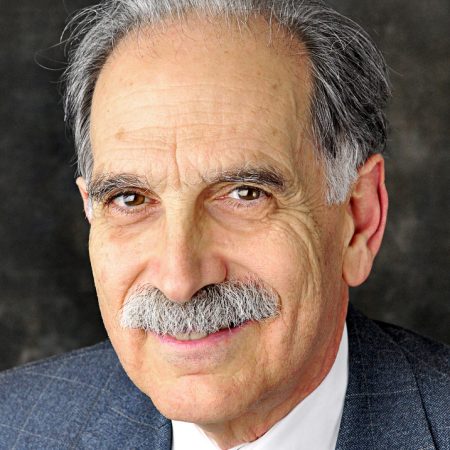
Richard Hurtig, Ph.D., Vice President & Chief Technology Officer
Professor Emeritus and former Chair of the nationally ranked Department of Communication Sciences & Disorders at the University of Iowa. He has served as President of the Council of Academic Programs in Communication Sciences & Disorders. He is Fellow of the American Speech-Language-Hearing Association (ASHA). He served on the board and as president of the non-profit Iowa City Hospice and as the chair of the Iowa School for the Deaf Advisory Board.
His research has included the development of assistive technologies for individuals with complex communication needs as a result of developmental disabilities, trauma or a degenerative condition such as ALS. His patented noddle® smart switch enables individuals who may only be able to produce a small intentional gesture to summon their caregivers and to also control a speech generating device in order to communicate.
To meet the needs of intubated patients during the Covid-19 pandemic, he led a team at the Patient-Provider Communication Network to develop and disseminate free communication tools for use in the ICUs. His work in assistive technology has been supported in part by the N.I.H. National Institute of Nursing Research. He has written extensively about strategies to facilitate patient-provider communication for persons with both short term and long-term disabilities.
He is currently working with CAC to provide tools that support families caring for an older or ill family member.