
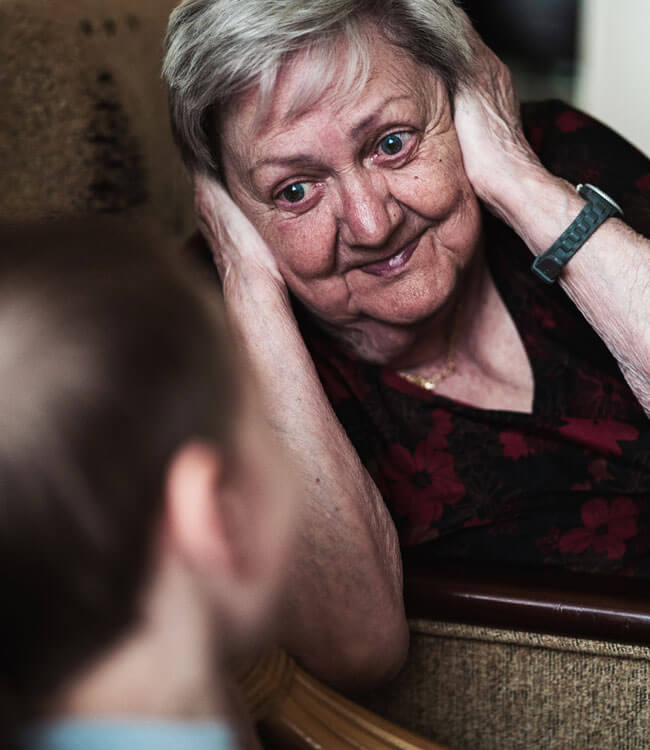
A reader-facing overview of how coordinated circles of care can transform family caregiving
The old way: a family slowly overwhelmed
After many years of health and independence, the first signs of change in Mom are easy to explain away. A missed bill, a confusing appointment, an odd decision, or a repeated question may seem like stubbornness or ordinary forgetfulness. Gradually, however, Deborah begins to understand that something deeper is happening. Her mother is no longer simply managing in her own familiar way; she needs more help than either of them wants to admit.
Deborah becomes the primary caregiver almost without noticing the transition. She starts handling the bank account, the car, appointments, bills, medications, and daily logistics, all while trying to protect her mother’s pride and avoid provoking anger or embarrassment. Each added responsibility seems manageable on its own. Together, they become a life-consuming role.
As Mom ages, the challenges multiply. A solution that works for a week may fail the next month. One problem triggers another. Physical needs, cognitive changes, finances, emotions, safety, and housing decisions collide in unpredictable ways. Professional help appears in fragments: one specialist for one issue, another service for another. Even when the advice is useful, Deborah is left to integrate it all by herself.
Over time, Mom’s patterns become harder to recognize. Moments of lucidity still appear, but they come and go without warning. Deborah keeps searching for the logic behind the changes, hoping to find a pattern that will help her anticipate what comes next. Instead, she finds herself living in a state of constant vigilance.
Deborah adjusts the apartment, then considers assisted living, then negotiates around the limits of each setting as Mom’s needs continue to shift. Every move raises difficult questions: Will this be better? How will Mom respond? Can the family afford it? What happens if this solution stops working too?
The emotional toll is profound. Deborah watches pieces of the mother she knew disappear. She feels panic, relief, resentment, guilt, and anger—sometimes all in the same day. Caregiving pushes other relationships aside. Her mother may not understand the effort being made on her behalf, and Deborah feels increasingly alone. No one is truly okay.
The new way: a coordinated circle of care
Now imagine the same family facing the same changes, but with a different structure around them. Deborah is still her mother’s primary caregiver, and the challenges of aging are still real. But she is no longer the only person trying to hold the whole system together.
In this new approach, Mom is at the center of an active circle of care. Deborah, other family members, friends, neighbors, volunteers, service providers, and community-based supports can all be connected in one practical network. The idea is simple: caregiving works better when the people involved can communicate, coordinate, and share responsibility.
The circle is supported by an easy-to-use care coordination app, such as Jointly, made available through a community organization. With guidance from NACAC and local volunteers, Deborah can set up a care circle tailored to her mother’s needs. Each person invited into the circle can see the information and tasks appropriate to their role.
Instead of managing everything through scattered phone calls, texts, notes, and memory, Deborah has one shared place for the daily reality of care. The calendar shows appointments and tasks. Notes capture preferences, routines, supplies, medications, and important instructions. Updates can be shared in real time. A task can be assigned to Susan, Deborah’s sister, with the details she needs to complete it without repeatedly calling Deborah for clarification.
Medication management becomes clearer. Current prescriptions, changes, instructions, and even photos of medication bottles can be kept in one accessible place and shared with the people responsible for administering them. In an emergency, key information—health status, medications, insurance details, healthcare proxy information, and other essential records—can be gathered quickly for hospital or emergency room staff.
The care circle can also include the people who help Mom remain at home: nursing assistants, housekeepers, transportation providers, therapists, volunteers, hairdressers, and others. Deborah can decide what each person needs to know, helping the group coordinate while still protecting privacy. Everyone has a clearer picture of Mom’s day, and Mom’s home can continue adapting as her needs change.
Caregivers need community, too
Practical coordination is only part of the solution. Family caregivers also need connection with others who understand what they are experiencing. Through NACAC’s community chat board and online sessions, caregivers can ask questions, exchange recommendations, learn from one another, and talk openly about the emotional realities of aging and care.
For Deborah and Susan, that connection matters. Before, they often felt embarrassed, inadequate, frustrated, guilty, and ashamed. They pulled away because they did not know how to explain what was happening or how to ask for help. In a community of other caregivers, they can finally name those experiences, hear that others have faced similar struggles, and discover practical ways forward.
The result is not that aging becomes easy. It does not. But Deborah is no longer isolated. Susan can stay meaningfully involved. Friends, neighbors, volunteers, and service providers can contribute in specific, coordinated ways. Mom receives more consistent and appropriate support, and the family has a better chance of sustaining care without being consumed by it.
In the old way, caregiving narrows around one exhausted person trying to manage everything alone. In the new way, care expands into a shared circle—organized, informed, and connected. Everyone has a role. Everyone has support. And everyone has a better chance of being okay.